Fatty Liver Reversal Programme

Dtoxmates' Fatty Liver Reversal Programme is designed to naturally support and restore liver health without relying on synthetic medications. The programme emphasizes a holistic approach, focusing on dietary changes, hydration, and lifestyle modifications to address the root causes of fatty liver disease.

Key aspects of the program include:
thumb
  • Personalized Nutrition Plans: Tailored meal plans that emphasize liver-friendly foods, such as antioxidant-rich fruits, vegetables, and healthy fats, while reducing harmful processed foods and sugars.
  • Natural Detox Strategies: Gentle detoxification techniques that help cleanse the liver, reduce inflammation, and improve its capacity to process fats effectively.
  • Weight & Metabolism Support: Customized strategies to achieve a healthy weight and enhance metabolic function, which is key to reversing fatty liver conditions.
  • Physical Activity Guidance: Incorporating simple, effective exercises like yoga, walking, and strength training to improve overall circulation, reduce fat buildup, and boost liver function.
  • Stress & Lifestyle Management: Addressing lifestyle factors like stress, poor sleep, and sedentary habits through mindfulness techniques, guided relaxation, and practical lifestyle tips.
  • Holistic Education: Empowering participants with the knowledge and tools they need to maintain long-term liver health through informed choices and sustainable habits.

Dtoxmate’s program is rooted in natural healing principles, providing a safe, effective way to reverse fatty liver while enhancing your energy, digestion, and overall well-being.

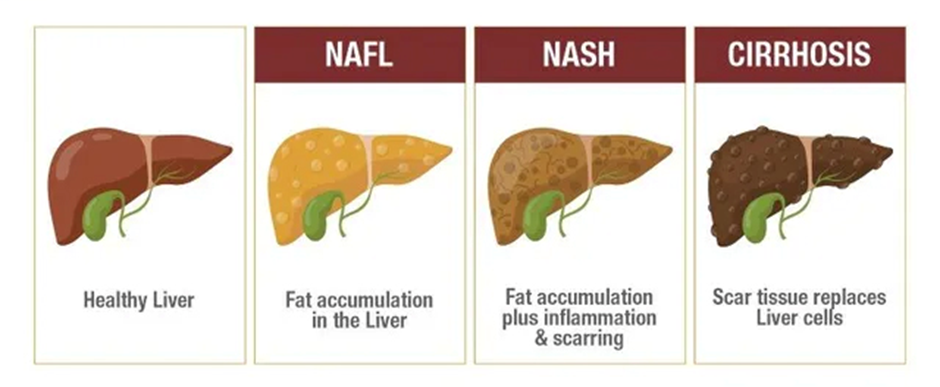
Non-alcoholic fatty liver disease (NAFLD) is a condition where fat accumulates in the liver in people who drink little or no alcohol.
It's often associated with obesity, diabetes, and metabolic syndrome.
NAFLD can progress to a more severe form called non-alcoholic steatohepatitis (NASH), which includes liver inflammation and damage

Non-alcoholic fatty liver disease (NAFLD) often doesn't cause noticeable symptoms, especially in the early stages However, when symptoms do occur, they may include:

Fatigue and Weakness: Feeling unusually tired or weak.
Pain in the Upper Right Abdomen: Discomfort or pain in the upper right side of the abdomen.
Weight Loss: Unintentional weight loss.
Fluid Build-up: Swelling in the abdomen (ascites) or legs (edema).
Jaundice: Yellowing of the skin and eyes.
Enlarged Liver: Feeling of fullness in the abdomen due to an enlarged liver.
Enlarged Spleen: Sometimes the spleen can become enlarged.

If NAFLD progresses to a more severe form called non-alcoholic steatohepatitis (NASH), it can lead to liver inflammation and damage, which may cause additional symptoms like nausea, itching, and mental confusion

Non-alcoholic fatty liver disease (NAFLD) is primarily caused by a combination of genetic and lifestyle factors Here are some common causes:

Obesity: Excess body weight is a significant risk factor
Insulin Resistance: When cells don't respond well to insulin, leading to higher blood sugar levels
Type 2 Diabetes: Often associated with NAFLD
High Blood Lipid Levels: Elevated levels of triglycerides and cholesterol in the blood1
Metabolic Syndrome: A cluster of conditions including high blood pressure, high blood sugar, excess body fat around the waist, and abnormal cholesterol levels
Genetics: Family history can play a role in the development of NAFLD
Addressing these factors through lifestyle changes, such as maintaining a healthy weight, eating a balanced diet, and exercising regularly, can help manage and even reverse NAFLD.

Several factors can increase the risk of developing non-alcoholic fatty liver disease (NAFLD) These include:

Obesity: Particularly if there's a lot of fat around the waist (an "apple-shaped" body)
Type 2 Diabetes: Often associated with NAFLD
Insulin Resistance: Conditions like polycystic ovary syndrome (PCOS) can increase the risk
High Blood Lipid Levels: Elevated levels of cholesterol and triglycerides
Metabolic Syndrome: A combination of diabetes, high blood pressure, and obesity
Hypothyroidism: An underactive thyroid can contribute to NAFLD
High Blood Pressure: Often seen alongside NAFLD
Age: Risk increases with age, especially over 50
Smoking: Can exacerbate the risk

The treatment for non-alcoholic fatty liver disease (NAFLD) primarily focuses on managing the underlying conditions and making lifestyle changes.
Here are some key approaches:

Weight Loss: Losing 7-10% of your body weight can significantly reduce liver fat and inflammation
Healthy Diet: Emphasize a balanced diet rich in fruits, vegetables, whole grains, and lean proteins. Limit intake of saturated fats, sugars, and refined carbohydrates
Regular Exercise: Aim for at least 30 minutes of moderate exercise most days of the week to help manage weight and improve liver health
Control Diabetes: If you have diabetes, closely monitor and manage your blood sugar levels
Manage Cholesterol: Keep cholesterol levels in check through diet, exercise, and medications if necessary
Avoid Alcohol: Even though NAFLD isn't caused by alcohol, avoiding it can prevent further liver damage
Medications: In some cases, medications like vitamin E (for non-diabetic adults) and statins (for abnormal blood lipids) may be prescribed
Regular Monitoring: Regular check-ups with your healthcare provider to monitor liver function and overall health.

A poor lifestyle can have a devastating impact on your liver. Here's how:
Fatty Liver Disease: Poor diet, obesity, and lack of exercise can lead to the build-up of fat in the liver, causing non-alcoholic fatty liver disease (NAFLD).
Alcoholic Liver Disease: Excessive alcohol consumption can damage liver cells, leading to inflammation, scarring, and cirrhosis.
Hepatitis: Risky behaviours, like unprotected sex or sharing needles, can increase the risk of viral hepatitis.
Liver Cancer: Obesity, diabetes, and certain infections can increase the risk of liver cancer.
Cirrhosis: Chronic liver diseases, including hepatitis and long-term alcohol abuse, can lead to cirrhosis, where healthy liver tissue is replaced with scar tissue.
Liver Failure: Severe liver damage from any cause can lead to liver failure, a life-threatening condition.
Switching to a healthier lifestyle can significantly reduce these risks. Small changes can make a big difference.

Bad foods, particularly those high in unhealthy fats, sugars, and refined carbohydrates, play a significant role in the development and progression of non-alcoholic fatty liver disease (NAFLD).
Here's how:

High Sugar Intake: Foods and drinks high in added sugars, especially fructose, can lead to increased liver fat accumulation and insulin resistance
Saturated and Trans Fats: Diets rich in saturated fats (found in red meat, full-fat dairy) and trans fats (found in processed foods) can contribute to liver fat build-up and inflammation
Refined Carbohydrates: Foods like white bread, pastries, and sugary cereals can lead to higher blood sugar levels and increased liver fat
Ultra-Processed Foods: These often contain unhealthy fats, added sugars, and refined carbs, all of which can negatively impact liver health

Switching to a healthier diet, such as the Mediterranean diet, which emphasizes fruits, vegetables, whole grains, and healthy fats, can help prevent and manage NAFLD
a square whatsapp chat