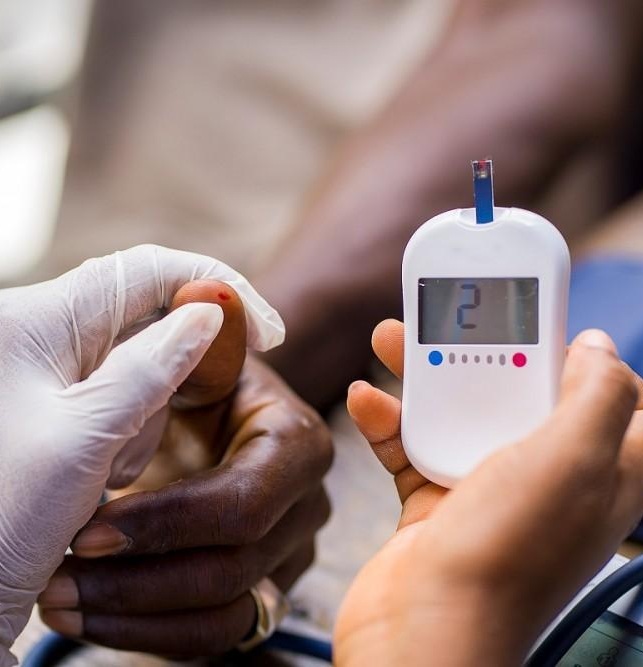
diabetes reversal

3 Months Dabetes Reversal Programme

Dtoxmate’s 3-month diabetes reversal program is a natural, medicine-free approach aimed at reversing type 2 diabetes by focusing on holistic lifestyle changes. The program emphasizes personalized diet plans, regular physical activity, and effective stress management techniques to improve insulin sensitivity and stabilize blood sugar levels. Guided by expert support, participants learn sustainable habits to address the root causes of diabetes. The program’s goal is to empower individuals to achieve long-term health and freedom from dependency on medications, promoting a healthier and more balanced life.

2 Months Dabetes Reversal Programme

Dtoxmate’s 2-month diabetes reversal program is a holistic, medication-free initiative designed to help individuals reverse type 2 diabetes naturally. This program focuses on personalized nutrition strategies, tailored fitness routines, and stress reduction techniques to improve insulin sensitivity and regulate blood sugar levels. With expert guidance and consistent support, participants adopt sustainable lifestyle changes that target the root causes of diabetes. The program empowers individuals to regain control of their health, aiming for long-term diabetes management and improved overall well-being without relying on generic medications.
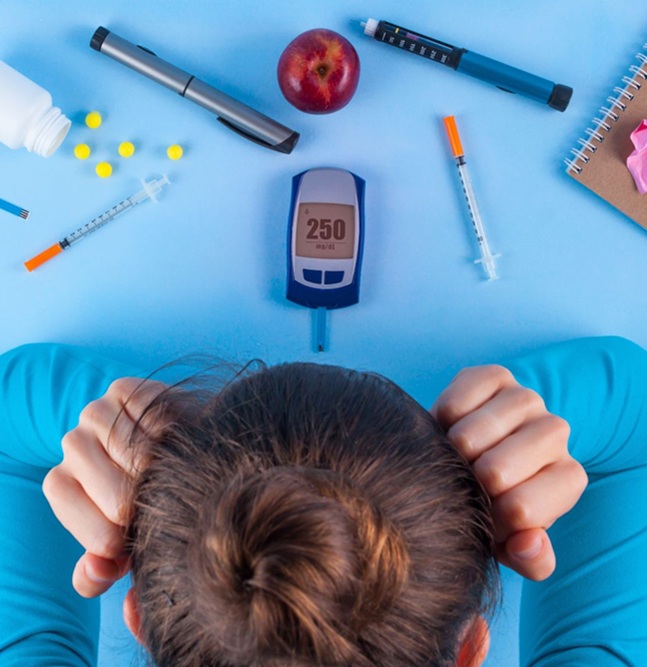

diabetes treatment

Diabetes is a chronic condition that occurs when the body can't properly regulate blood sugar levels. There are two main types:
Type 1 Diabetes:
An autoimmune condition where the body attacks insulin-producing cells in the pancreas, leading to little or no insulin production. It's usually diagnosed in children and young adults.
Type 2 Diabetes:
The more common type, occurring when the body becomes resistant to insulin or doesn't produce enough. It's often linked to obesity, poor diet, and lack of exercise.
Both types lead to high blood sugar levels, which can cause serious health issues if not managed properly. Symptoms include increased thirst, frequent urination, fatigue, and blurred vision. Managing diabetes typically involves lifestyle changes, medication, and monitoring blood sugar levels.

The symptoms of type 2 diabetes can be subtle and develop gradually. Here's what to watch out for:
Increased Thirst and Frequent Urination:
Excess sugar in the bloodstream pulls fluid from tissues, making you thirsty and causing you to drink more and urinate more often.
Fatigue:
When cells can't get the energy they need from sugar, you may feel unusually tired.
Blurred Vision:
High blood sugar levels can cause fluid to be pulled from the lenses of your eyes, affecting your ability to focus.
Slow-Healing Sores or Frequent Infections:
Type 2 diabetes affects the body's ability to heal and fight infections.
Unintended Weight Loss:
Without the energy from sugar, muscles and fat stores can start to shrink.
Darkened Areas of Skin:
Often in the armpits and neck, a condition called acanthosis nigricans.
It's important to get tested if you're experiencing any of these symptoms.

Type 2 diabetes is primarily caused by a combination of genetic and lifestyle factors.
Key causes include:

Insulin Resistance: The body becomes resistant to the effects of insulin, causing blood sugar levels to rise.
Obesity: Excess body weight, especially around the abdomen, contributes significantly to insulin resistance.
Lack of Physical Activity: Sedentary lifestyle can exacerbate weight gain and insulin resistance.
Poor Diet: Diets high in processed foods, sugary drinks, and unhealthy fats increase the risk.
Genetics: Family history of diabetes increases the likelihood.
Age: Risk increases with age, especially after 45.
Ethnicity: Certain ethnic groups, such as South Asians, have a higher risk.
Making healthier lifestyle choices can help reduce the risk of type 2 diabetes

Managing type 2 diabetes involves a blend of lifestyle changes, monitoring, and sometimes medication. Here's a broad overview:

Healthy Eating: Focus on a balanced diet rich in vegetables, fruits, whole grains, and lean proteins. Limit sugars and refined carbs.
Regular Exercise: Aim for at least 150 minutes of moderate aerobic activity or 75 minutes of vigorous activity per week, plus strength training.
Weight Management: Losing even a small amount of weight can help manage blood sugar levels.
Monitoring Blood Sugar: Regularly check your blood sugar levels to keep them within target ranges.
Medication: Various medications help manage blood sugar, including metformin, sulfonylureas, and insulin. Your doctor will tailor your medication plan to your needs.
Regular Check-ups: Frequent visits to your healthcare provider to monitor your condition and adjust treatment as necessary.
Stress Management: Techniques like yoga, meditation, and deep breathing can help.

A bad lifestyle can significantly increase the risk of developing type 2 diabetes through several mechanisms:

Poor Diet: Consuming high amounts of processed foods, sugary drinks, and unhealthy fats can lead to weight gain and insulin resistance
Physical Inactivity: Lack of regular exercise contributes to obesity and reduces the body's ability to use insulin effectively
Obesity: Excess body weight, especially around the abdomen, is a major risk factor for type 2 diabetes
Sleep Deprivation: Poor sleep quality and short sleep duration can disrupt metabolic processes and increase diabetes risk
Chronic Stress: Long-term stress can lead to unhealthy eating habits and weight gain, contributing to diabetes risk
Smoking: Tobacco use can increase insulin resistance and inflammation, raising the risk of diabetes.
Adopting healthier lifestyle habits can help prevent or manage type 2 diabetes.

Both traditional and lifestyle modifications play crucial roles in managing type 2 diabetes, but they approach treatment differently:

Traditional Treatment:

Medications: Includes oral medications like metformin, sulfonylureas, and insulin therapy to help control blood sugar levels
Regular Monitoring: Frequent blood sugar checks and medical appointments to monitor and adjust treatment plans.
Surgical Options: In some cases, bariatric surgery may be recommended for weight loss and improved blood sugar control.
Lifestyle Modifications:

Healthy Diet: Emphasizes a balanced diet rich in vegetables, fruits, whole grains, and lean proteins while limiting sugars and refined carbs
Regular Exercise: Encourages at least 150 minutes of moderate aerobic activity or 75 minutes of vigorous activity per week, along with strength training1
Weight Management: Focuses on achieving and maintaining a healthy weight to improve insulin sensitivity
Stress Management: Techniques like yoga, meditation, and deep breathing to reduce stress and its impact on blood sugar levels
Education and Support: Providing patients with the knowledge and support to make sustainable lifestyle changes.
Combining both approaches often yields the best results, as lifestyle changes can enhance the effectiveness of medications and reduce the need for higher doses or additional drugs

Prevalence
In 2021, over 74 million Indians were diagnosed with diabetes, and this is expected to rise to over 124 million by 2045. India has the second-highest number of people with diabetes in the world, after China.
Type of diabetes
More than 90–95% of all patients with diabetes in India have type 2 diabetes.
Complications
Type 2 diabetes can lead to multi organ complications, including coronary heart disease, retinopathy, strokes, and nephropathy.
Causes
The increase in the prevalence of type 2 diabetes in India is likely due to a combination of factors, including unhealthy lifestyles, overweight and obesity, and demographic changes

Lifestyle modifications can provide significant benefits over traditional medication for managing type 2 diabetes:

Improved Insulin Sensitivity: Regular exercise and weight loss can enhance how your body responds to insulin.
Comprehensive Health Benefits: Adopting a healthy diet and staying active can improve heart health, reduce blood pressure, and lower cholesterol, beyond just controlling blood sugar.
Reduced Medication Dependence: Effective lifestyle changes can lessen the need for medications or reduce their dosages, minimizing potential side effects.
Sustainable Long-term Results: Healthy habits can lead to permanent changes, offering long-term control of diabetes.
Enhanced Quality of Life: Regular physical activity and a balanced diet contribute to overall well-being, mental health, and energy levels.
Incorporating these changes offers a holistic approach to managing diabetes, addressing the root causes rather than just the symptoms.
a square whatsapp chat