
High Blood Pressure Reversal Programme

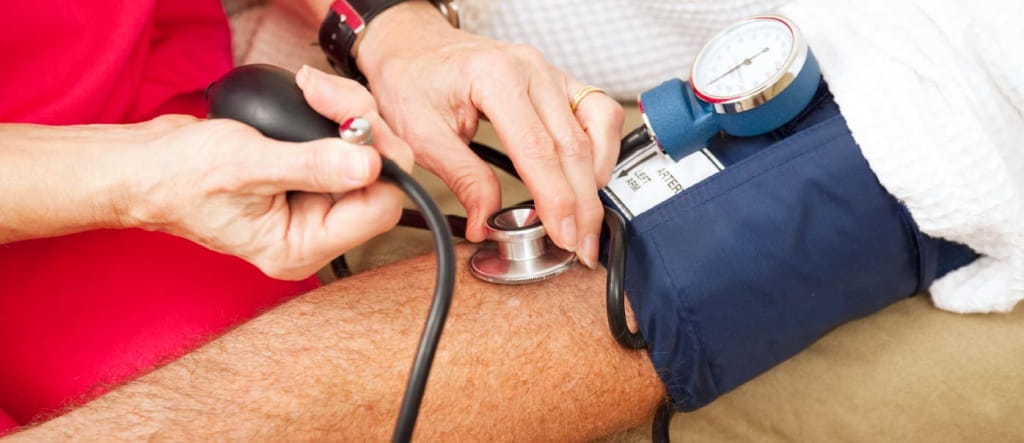
Dttoxmates’s Blood Pressure Reversal Programme is a natural and holistic approach to managing and reversing high blood pressure. By focusing on nourishing your body with wholesome, organic foods and integrating healing herbs, this program works to balance your blood pressure without relying on medication.
thumb

It combines mindful eating practices with targeted lifestyle changes like stress-reducing activities, guided exercises, and practices for improving sleep quality. Through detoxifying techniques and supporting the body’s natural ability to heal, the programme helps to reduce inflammation and enhance circulation, ultimately promoting heart health and restoring balance. This approach not only targets the symptoms but also works to address the root causes of elevated blood pressure, helping you lead a more vibrant, healthy life naturally.

Overall, Dtoxmate’s Thyroid Reversal Programme offers a comprehensive, natural path to thyroid health. It emphasizes long-term wellness through lifestyle adjustments, balanced nutrition, and nurturing self-care practices—all with the goal of restoring thyroid function and promoting overall well-being without the reliance on generic medication.



Hypertension, commonly known as high blood pressure, is a condition where the force of blood against your artery walls is consistently too high. This can lead to serious health issues like heart disease, stroke, and kidney problems. It's often called a "silent killer" because it usually doesn't have obvious symptoms.

The physiology of hypertension involves several key mechanisms that contribute to elevated blood pressure:
1. Cardiac Output: This is the amount of blood the heart pumps per minute. Increased cardiac output can raise blood pressure.
2. Peripheral Resistance: This refers to the resistance of blood vessels to blood flow. When blood vessels constrict, resistance increases, leading to higher blood pressure.
3. Renin-Angiotensin-Aldosterone System (RAAS): This hormonal system regulates blood pressure by controlling blood volume and vascular resistance.
4. Autonomic Nervous System: The sympathetic nervous system can increase heart rate and contractility, as well as cause vasoconstriction, all of which can raise blood pressure.
5. Endothelial Dysfunction: The endothelium (lining of blood vessels) plays a role in regulating vascular tone. Dysfunction can lead to reduced production of nitric oxide, a vasodilator, and increased production of vasoconstrictors like endothelin.
6. Genetic Factors: Genetic predispositions can affect blood pressure regulation through various mechanisms, including kidney function and salt handling.
7. Environmental Factors: Diet (especially salt intake), obesity, and stress can all contribute to hypertension.
Understanding these mechanisms can help in developing effective treatment strategies

Unhealthy Diet: High salt intake, saturated fats, and low fruit/vegetable consumption.
Physical Inactivity: Lack of regular exercise.
Obesity: Excess body weight, especially around the abdomen.
Alcohol and Tobacco Use: Both can raise blood pressure.
Genetics: Family history of hypertension.
Age: Risk increases with age.
Environmental Factors: Air pollution can also contribute

Mostly Asymptomatic: Many people with hypertension don't experience symptoms.
Severe Cases: Headaches, blurred vision, chest pain, difficulty breathing, nausea, vomiting, and dizziness

Lifestyle Changes: Healthy diet, regular exercise, weight loss, reducing salt and alcohol intake, quitting smoking.
Medications: If lifestyle changes aren't enough, medications like ACE inhibitors, beta-blockers, and diuretics may be prescribed.

Healthy Lifestyle: Adopting a balanced diet, staying active, maintaining a healthy weight, and avoiding tobacco and excessive alcohol.
a square whatsapp chat